
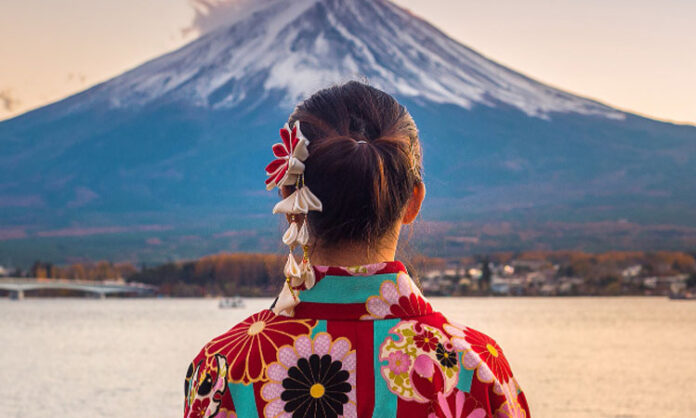


You may not find the word “soutaipasu” in standard Japanese dictionaries. But the idea behind it is deeply Japanese. Soutaipasu means “relative path” or “relative comparison.” This concept shapes how many Japanese people think, work, and live.
Let us explore soutaipasu as a cultural value. You will see it in language, business, art, and daily life.
What Is Soutaipasu in Japanese Culture?
In simple terms, soutaipasu means nothing is absolute. Everything depends on context. A thing is not good or bad by itself. It becomes good or bad compared to something else. This way of thinking is very common in Japan.
Western culture often looks for absolute truths. Something is either right or wrong. Black or white. Japanese culture is different. It sees many shades in between. Soutaipasu captures this flexibility.
Soutaipasu in Japanese Language
Japanese language is full of soutaipasu. Words change based on who you are talking to. There is no single way to say “you” or “I.” You choose different words for different people.
The same verb changes form. Speaking to a boss is different from speaking to a friend. Speaking to a child is different from speaking to a customer. The meaning stays the same. But the form shifts. That is relativity in action.
Japanese people also avoid direct “yes” or “no.” A direct “no” can feel too absolute. Instead, they say “it is difficult” or “I will think about it.” These phrases mean “no” in context. But they leave room for change. Nothing is final. Everything is relative.
Soutaipasu in Business
Japanese business culture runs on soutaipasu. Decisions are rarely made by one person alone. Teams discuss. They share information. They build consensus. This process is called nemawashi.
Nemawashi means preparing the roots. Like preparing a tree before moving it. No single person makes an absolute decision. The group finds a relative path forward.
This takes time. Western businesses often find it slow. But it has a benefit. Once a decision is made, everyone supports it. There is no fighting or second-guessing. The relative path becomes the shared path.
Another example is the ringi system. A proposal passes through many departments. Each person adds comments and stamps. The proposal changes along the way. It is not fixed. It is relative to each person’s input.
Soutaipasu in Art and Aesthetics
Japanese art shows soutaipasu clearly. Think of a Japanese garden. It does not force nature into straight lines. It works with the land. Rocks, plants, and water find their natural place. Nothing is absolute. Everything relates to everything else.
Wabi-sabi is another example. This is the beauty of imperfection. A cracked tea bowl is not thrown away. It is repaired with gold. The crack becomes part of the beauty. There is no absolute standard of perfection. Beauty is relative to age, use, and repair.
Ikebana, or flower arranging, also shows soutaipasu. The arrangement changes with the season. It changes with the room. It changes with the vase. No single arrangement is the best. The best arrangement is the one that fits the moment.
Soutaipasu in Social Behavior
Japanese people are famous for being polite. But politeness is not absolute. It depends on the situation. The same person acts very differently at work and at home. With strangers and with family. That is not being fake. That is soutaipasu.
Reading the air is another Japanese skill. This is called kuuki o yomu. You sense the mood of a room. You do not say everything you think. You adjust your behavior to fit the group. Your actions are relative to the people around you.
This can confuse visitors. A Japanese person might smile while feeling sad. They might agree while meaning no. But they are not lying. They are using soutaipasu. The outer behavior is relative to the social situation.
Soutaipasu in Time and Seasons
Japan has a deep awareness of seasons. Time is not absolute. A cherry blossom in April is beautiful. The same flower in July would be strange. Beauty depends on timing.
Festivals change with the season. Food changes with the month. Even clothing changes. Japanese people wear lighter fabrics in summer. Heavier ones in winter. Nothing is right all year. Everything is relative to the time.
This extends to daily life. Punctuality is very important in Japan. But even punctuality is relative. Being five minutes early for a business meeting is good. Being five minutes early for a party might be too early. The right time depends on the event.
Soutaipasu vs. Absolutes
Japanese culture has fewer absolute rules than Western cultures. There is no single holy book that must be followed. There are fewer commandments. Instead, there are guidelines. They shift with context.
This does not mean Japan has no values. It does. But the application of those values is flexible. Honesty is a value. But a direct, hurtful truth might be less honest than a kind silence. The best path depends on the situation.
Challenges of Soutaipasu
This way of thinking has challenges. Visitors to Japan can feel lost. They want clear rules. They want yes or no. But Japan gives them maybe and sometimes. That can be frustrating.
Younger Japanese people also struggle with soutaipasu. They see other cultures with more direct communication. They wonder why everything must be so flexible. Some prefer absolute answers.
But for most Japanese people, soutaipasu feels natural. It is not a choice. It is just how the world works. Nothing stands alone. Everything is connected. Everything is relative.
Final Thoughts
Soutaipasu is not a famous Japanese word like samurai or sushi. But it is just as important. It shapes the Japanese way of seeing the world. Nothing is absolute. Everything depends on context. The path you take is relative to where you stand.
Understanding soutaipasu helps you understand Japan. It explains the polite smiles. It explains the indirect answers. It explains the flexible rules. Next time you see something Japanese that confuses you, ask yourself: What is the relative path here? The answer might surprise you.